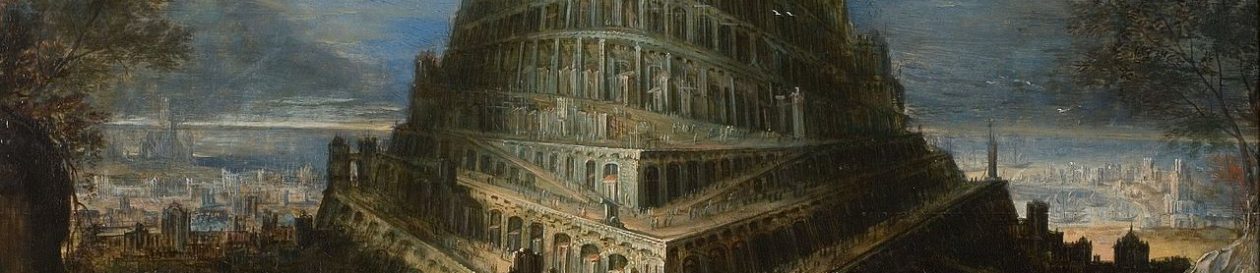
 The concept of the labyrinth is deeply embedded in the cultural and mythological fabric of ancient civilizations, serving as symbols of mystery, complexity, and spirituality. Among the most notable labyrinths from antiquity are those attributed to Egypt, Lemnos, Crete, and Etruria. Each of these labyrinths holds a unique place in history, reflecting the values, beliefs, and ingenuity of the cultures that created them. This essay explores these four legendary labyrinths, delving into their historical significance and the enduring legacy they have left behind.
The Egyptian Labyrinth
The Egyptian labyrinth, known as the Labyrinth of Hawara, is perhaps the most renowned of antiquity, praised by ancient historians such as Herodotus and Strabo. Located near the Faiyum Oasis, this grand architectural feat was constructed during the reign of Pharaoh Amenemhat III (circa 19th century BCE) as part of his funerary complex. According to Herodotus, this structure was more awe-inspiring than the Pyramids themselves, containing a staggering array of interconnected rooms, chambers, and passageways.
The labyrinth’s primary purpose was multifaceted, serving both as a temple dedicated to the gods and a tomb for the pharaoh. It was designed not only to showcase the architectural prowess of the Egyptians but also to protect the sacred relics and treasures buried within. The exact structure and layout of the labyrinth remain elusive, as it has largely been lost to time, but archaeological findings and descriptions suggest an intricate series of corridors and chambers that defied easy navigation. This labyrinth symbolized the journey of the soul through the underworld, embodying themes of life, death, and rebirth that were central to ancient Egyptian belief.
The Labyrinth of Lemnos
The labyrinth on the Greek island of Lemnos is shrouded in mystery, with fewer concrete records compared to its Egyptian counterpart. Lemnos was an important center in the ancient world, linked to myths involving Hephaestus, the god of fire and craftsmanship, who was believed to have been cast down to the island by Zeus. While historical details about a physical labyrinth on Lemnos are scarce, references suggest that it may have had both ritualistic and symbolic purposes.
One of the prevailing theories is that the labyrinth of Lemnos was linked to initiation rites or ceremonial dances performed in honor of deities, particularly those associated with fertility and rebirth. The labyrinth motif in Lemnian culture may also have represented the dualities of life, such as order and chaos, creation and destruction. The idea of a labyrinth as a journey, both physical and spiritual, is consistent with the widespread motif in Mediterranean civilizations of navigating through challenges to attain wisdom or transcendence.
The Cretan Labyrinth
The labyrinth of Crete is arguably the most famous, primarily due to its association with Greek mythology. According to legend, it was constructed by the master craftsman Daedalus at the behest of King Minos of Crete. The purpose of this labyrinth was to contain the Minotaur, a half-man, half-bull creature born from the union of Queen Pasiphaë and a divine bull. The structure was said to be so complex that even its creator, Daedalus, could barely navigate it without assistance.
The myth of Theseus and the Minotaur is central to the legacy of the Cretan labyrinth. According to the story, Athens was required to send young men and women as tribute to be sacrificed to the Minotaur. Theseus, the Athenian hero, volunteered to face the creature and, with the aid of Minos’ daughter Ariadne, who provided him with a thread to retrace his steps, he successfully navigated the labyrinth, killed the Minotaur, and escaped. This myth has resonated through the ages as a tale of bravery, cleverness, and triumph over monstrous challenges.
Archaeological evidence points to the Palace of Knossos as the potential origin of the labyrinth legend. Located near the modern city of Heraklion, Knossos was the largest Bronze Age archaeological site on Crete and is associated with the Minoan civilization. The sprawling layout of the palace, with its maze-like corridors and numerous rooms, likely inspired the myth. The labyrinth of Crete embodies themes of entrapment and liberation, encapsulating the dualities of power and vulnerability.
The Etruscan Labyrinth
The Etruscan civilization, which flourished in what is now modern-day Italy before being absorbed by the Roman Empire, also had its own labyrinth traditions. While not as widely known as the Egyptian or Cretan examples, Etruscan labyrinths have been found depicted in art and inscriptions, suggesting that they held cultural significance. One of the most compelling examples is found in the depictions of labyrinths carved into tomb walls and artifacts. These labyrinths were often associated with funerary practices, symbolizing the journey of the soul through the underworld and the challenges faced before reaching the afterlife.
The labyrinth in Etruscan tradition may have served a protective role, intended to guard the deceased against malevolent spirits and ensure safe passage to the afterlife. The Etruscan belief system, rich with mythology and rituals connected to death and rebirth, incorporated the labyrinth as a powerful symbol of transformation. It represented both a barrier and a path, encapsulating the paradoxes of life and death, hope and despair.
The Enduring Legacy of the Labyrinths
The labyrinths of antiquity were more than just architectural wonders; they were profound symbols imbued with deep cultural, spiritual, and philosophical meanings. Whether serving as metaphors for the soul’s journey, representations of cosmic order, or embodiments of human ingenuity and mystery, each of these labyrinths reflected the values and beliefs of the civilizations that created them. The Egyptian labyrinth was a testament to the grandeur of religious devotion and the pharaoh’s divine protection. The labyrinth of Lemnos, though more enigmatic, suggested themes of ritual and communal celebration. Crete’s labyrinth told a story of heroism and intellect overcoming monstrous obstacles, while the Etruscan labyrinths reflected the culture’s intricate relationship with death and the afterlife.
These ancient labyrinths have influenced countless generations, inspiring literature, art, and modern interpretations of mazes and labyrinthine structures. Today, labyrinths continue to be used as tools for meditation and introspection, echoing their original purposes of guiding individuals on a journey—whether spiritual, physical, or metaphorical. The labyrinths of antiquity remain powerful reminders of humanity’s enduring quest for meaning, order, and transcendence.
Thank you ChatGPT. I was having difficulty getting started again with my blog after taking so much time off. I’m not sure everything is accurate in your essay, but I think it’s generally correct.
Further reading:
https://en.wikipedia.org/wiki/Labyrinth
https://www.labyrinthpark.gr/en/history-of-labyrinth
Penelope Reed Doob / The Idea of the Labyrinth from Classical Antiquity through the Middle Ages
Open access at :
https://www.jstor.org/stable/10.7591/j.ctvn1t9v6
W. H. Matthews / Mazes and Labyrinths: Their History and Development
http://www.ams.org/publicoutreach/feature-column/fc-2015-10
<>
 Equivalent Exchange
Quite an enjoyable trove of information, Mr. GPT. I appreciated learning more about these ancient cultures.
LikeLike